

South Florida’s historic commercial spaces offer investors charm, location, and long-term opportunity.
If you’re a first-time real estate investor, stepping intocommercial real estate in South Florida can feel like a big leap. The market moves fast, competition is fierce, and the smallest misstep can cost you. But with the right strategy and a good team, you can break in smartly and set yourself up for long-term success.
Table of Contents:
SETTING YOUR INVESTMENT STRATEGY
A clear strategy is the backbone of any smart move incommercial real estate in South Florida. First-time investors need to know which property type fits their goals, what local rules apply, and which experts to bring on board. These choices shape risk, returns, and long-term success.
Choosing the right property type
The commercial market here includes several core property types, each with distinct strategies. First-timereal estate investors in Florida need to understand how each operates, who its likely tenants are, and how it aligns with their financial and management goals before deciding where to focus:
-
Office spaces: These properties include corporate offices, coworking hubs, and medical suites, typically located in urban cores like Brickell or suburban business parks.
-
Retail spaces: Retail includes standalone stores, shopping centers, strip malls, and restaurants, positioned in both dense urban districts and high-traffic suburban corridors.
-
Industrial properties: This category covers warehouses, distribution centers, manufacturing facilities, and flex spaces, often located near airports, ports, and major highways.
-
Multifamily properties: Multifamily includes apartment complexes, duplexes, triplexes, and mid-rise or high-rise residential buildings designed for rental occupancy.
-
Hospitality properties: Hospitality covers hotels, resorts, motels, and short-term rental buildings, usually concentrated in tourist-heavy areas like Miami Beach or Palm Beach.
Understanding zoning and legal rules
Zoning laws dictate how South Florida properties can be used in specific areas, whether for commercial, mixed-use, industrial, or residential properties. A retail lot on Biscayne Boulevard cannot be turned into a warehouse without city approval, and multifamily sites in West Palm Beach face strict height and density limits.
The legal details go far beyond zoning. Permits, building codes, licensing, and landlord-tenant laws all shape what can be done with a property, how it must operate, and where the risks lie. Overlooking these rules can lead to fines, delays, or legal headaches that quickly erode an investment’s value.
Here’s what every first-time investor needs to keep in mind:
-
Zoning classifications: Make sure the property’s allowed uses, building limits, and any rezoning or variance options are fully understood before buying.
-
Permit requirements: Be clear on what approvals are needed for renovations, new construction, or changes in occupancy, and factor in the time and cost to secure them.
-
Licensing obligations: Check all local and state licenses required for specialized uses, including restaurants, hotels, or medical facilities, and stay ahead of renewal deadlines.
-
Tenant rights and lease rules: Know the legal boundaries on lease terms, security deposits, maintenance responsibilities, and eviction processes under Florida law.
Building the right team
First-time investors incommercial real estate in South Florida often underestimate how much a skilled team shapes their success. The right experts help source deals, manage legal risks, secure financing, and oversee day-to-day operations. Trying to handle everything alone usually leads to costly mistakes.
Here’s who every smart investor should have on board:
-
Real estate agent: Work with one of thetop real estate agents in South Florida who specializes in commercial deals and knows the local neighborhoods, property values, and off-market opportunities.
-
Attorney: A local real estate attorney handles contract reviews, zoning questions, lease negotiations, and legal protections, saving investors from risky oversights.
-
Lender or mortgage broker: A trusted lender or broker helps identify the right financing products, improve loan terms, and speed up approvals, especially in competitive bidding situations.
-
Accountant: A real estate-focused accountant helps with tax planning, cash flow analysis, and structuring investments for long-term financial health.
WHY SOUTH FLORIDA STAYS ON EVERY INVESTOR’S RADAR

South Florida’s booming skyling draws real estate investors from across Florida and beyond.
South Florida has long been a magnet for real estate investment, and its appeal keeps growing. Strong population growth, booming tourism, and a tax-friendly climate all fuel steady demand for commercial space. Understanding what drives this market and where opportunities are strongest is essential for first-time investors to make smart, well-timed decisions.
Market drivers
Several key forces makecommercial real estate in South Florida one of the most dynamic markets in the country:
-
Population growth: The region’s population has been steadily rising, fueled by both domestic migration and international arrivals, which drives demand for housing, services, and retail.
-
Tourism strength: A strong tourism sector brings steady foot traffic to hotels, restaurants, and entertainment venues, particularly in hotspots like Miami Beach and Fort Lauderdale.
-
Business relocations: Many companies from the Northeast and California are moving operations to South Florida, attracted by lower taxes, a pro-business climate, and access to Latin American markets, which boosts demand for office space, industrial facilities, and supporting commercial services.
-
Tax advantages: Florida’s favorable tax climate, including no state income tax, makes it a magnet for both individuals and businesses seeking lower tax burdens.
-
Infrastructure investment: A steady pipeline of infrastructure projects, including airport expansions and transit improvements, supports long-term regional growth and keeps investor demand strong across cycles.
High-demand sectors
While South Florida offers many types of commercial properties, not all sectors perform equally at any given time. First-time investors should focus on where demand is strong, avoid oversaturated segments, and target areas that position their portfolio for stronger long-term returns:
-
Office: Demand for modern, flexible office space is strong in Brickell and Downtown Miami, fueled by finance, legal, and tech tenants, though older office buildings face slower leasing.
-
Retail: High-end shopping corridors like Las Olas Boulevard and Lincoln Road continue to attract luxury brands, while neighborhood retail centers thrive in fast-growing suburban areas.
-
Industrial: Warehousing and logistics near Miami International Airport and the major ports are booming, thanks to e-commerce growth and international trade, though rising land prices make site selection critical.
-
Multifamily: Rental demand is surging in West Palm Beach and Fort Lauderdale, driven by population growth, but some submarkets are showing signs of overbuilding, which could increase competition.
-
Hospitality: Miami Beach, Palm Beach, and other tourist hubs see steady demand for hotels and short-term rentals, supported by international visitors and major events, though investors must account for seasonal fluctuations and complex management needs.
Hot cities and neighborhoods
South Florida’s commercial real estate landscape isn’t uniform. Each city offers distinct opportunities, shaped by local demographics, business activity, and growth trends. For first-time investors, targeting the right city or neighborhood sharpens the search and increases the odds of finding properties that align with both budget and long-term plans:
-
Miami: Brickell and Downtown Miami are hubs for finance, tech, and luxury development, while Wynwood has become a hotspot for arts, retail, and adaptive reuse projects.
-
Fort Lauderdale: The Las Olas corridor offers high-end retail and office space, and the Flagler Village district has seen major multifamily and mixed-use growth.
-
West Palm Beach: Downtown West Palm Beach is drawing in business relocations and major multifamily investments, while the Northwood Village area is emerging as a boutique retail and dining destination.
-
Emerging areas: Suburban pockets west of I-95, such as Doral and Pembroke Pines, are gaining attention for industrial, office, and retail developments, especially as population growth shifts forward.
FINANCING AND FINANCIAL READINESS
Securing the right funding is one of the most important steps for first-timereal estate investors in Florida. Without a clear financial plan, even the best property can become a burden. Understanding funding options, assessing risks, and avoiding common financing mistakes helps investors move confidently and set up their investment for long-term success.
Funding options
Choosing the right funding path requires balancing cost, speed, flexibility, and long-term financial impact. First-timereal estate investors in Florida have several ways to finance commercial property purchases, each with its own advantages and tradeoffs (whether they’re buying commercial buildings or even consideringhomes for sale in South Florida as part of a mixed-use investment approach):
-
Traditional bank loans: These loans are offered by commercial banks and credit unions, often with competitive rates but strict qualification requirements, including strong credit, solid cash reserves, and a proven business plan.
-
Small Business Administration (SBA) loans: SBA 504 and 7(a) loans can offer favorable terms for eligible commercial real estate deals, but the application process is detailed and requires meeting federal program criteria.
-
Private lenders: Private lending groups or individuals can provide faster, more flexible financing, though usually at higher interest rates and shorter repayment terms.
-
Seller financing: Some sellers are willing to finance part of the deal directly, which can reduce upfront capital needs and bypass traditional lending hurdles.
-
Equity partnerships: Partnering with investors or investment groups allows buyers to pool resources, share risk, and access larger or more complex deals that might be out of reach solo.
Calculating ROI and assessing risk
Before committing to any deal, first-time investors must understand how to evaluate potential returns and identify hidden risks. Strong financing alone won’t save a deal if the underlying numbers don’t add up or if the property carries structural or market weaknesses. Running detailed financial models and stress tests is key to making informed, realistic decisions rather than relying on surface-level projections.
-
Return on investment (ROI): Calculate projected income (such as rental revenue or lease payments) against total costs, including purchase price, loan interest, taxes, insurance, maintenance, and management fees.
-
Cash flow: Analyze the difference between income and expenses on a monthly or annual basis to ensure the property generates positive cash flow, not just paper profits.
-
Cap rate: Assess the cap rate (net operating income divided by purchase price) to compare the property’s earning potential against other investments.
-
Vacancy and turnover risk: Consider the risk of tenant vacancies or high turnover, especially in sectors like multifamily or hospitality, where occupancy rates can swing sharply.
-
Market and location risk: Evaluate neighborhood stability, local economic trends, and nearby competition to understand how external forces may impact long-term performance.
Common financing pitfalls
Avoiding common mistakes strengthens financial stability and increases the chances of building a resilient, profitable investment portfolio. Even with strong financial backing, first-time investors incommercial real estate in South Florida can run into costly missteps if they overlook key risks. Recognizing these pitfalls early can protect both short-term ash flow and long-term returns:
-
Overleveraging: Taking on too much debt relative to the property’s income can strain cash flow, leaving little room for unexpected expenses or market shifts.
-
Poor loan terms: Focusing only on loan approval without negotiating interest rates, repayment terms, or fees can lock investors into unfavorable deals that erode profits over time.
-
Underestimating costs: Many first-time buyers overlook hidden or variable costs such as maintenance, taxes, insurance, and property management, leading to cash shortfalls.
-
Ignoring contingency reserves: Failing to set aside reserves for vacancies, repairs, or capital improvements increases vulnerability to market downturns or tenant turnover.
-
Skipping due diligence: Rushing into deals without full property inspections, financial reviews, or legal checks exposes investors to risks that better preparation could have avoided.
THE VALUE OF PROFESSIONAL PROPERTY MANAGEMENT
Even the best property can underperform without skilled management. For first-time investors, professional management is key in maximizing income, protecting the asset, and reducing risk.
Here are the core services that strong property managers provide:
-
Rent collection and financial management: Managers handle billing, deposits, late payments, and financial reporting, keeping income steady and books accurate.
-
Tenant relations: From lease negotiations to addressing complaints, managers act as the main point of contact, helping maintain tenant satisfaction and reduce turnover.
-
Maintenance and repairs: Coordinating routine maintenance and emergency repairs protects the property’s condition and long-term value.
-
Regulatory compliance: Managers stay updated on local codes, safety standards, and legal requirements, reducing the owner’s exposure to fines or lawsuits.
-
Marketing and leasing: For vacant spaces, managers handle advertising, showings, and tenant screening, speeding up leasing and minimizing downtime.
PLANNING FOR LONG-TERM GROWTH
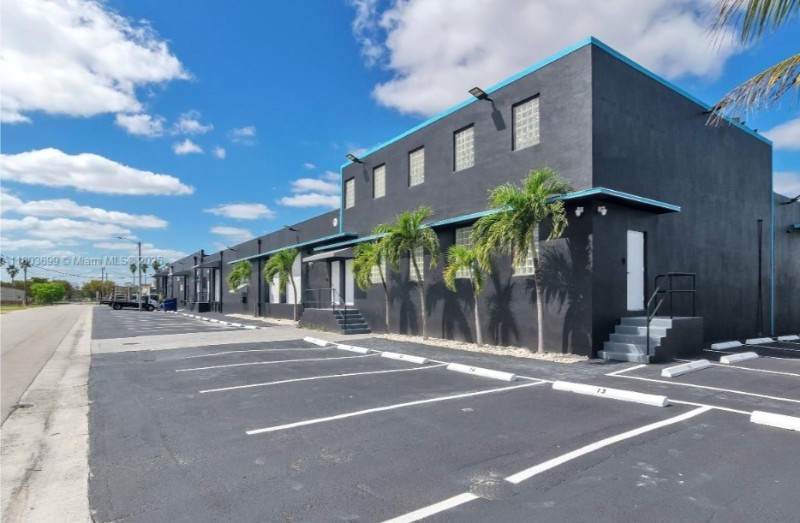
Well-maintained commercial properties in South Florida attract strong tenants and boost long-term investor returns.
Commercial real estate is rarely about short-term gains. First-time investors need to approach South Florida’s market with a long term view, focusing on smart property maintenance, regular evaluations, and strategies for growing and diversifying their portfolio over time.
Here are the core areas to focus on in the course of your investment:
-
Regular maintenance: Scheduling routine inspections and preventive maintenance protects the building’s value, reduces emergency repair costs, and keeps tenants satisfied.
-
Financial reviews: Monitoring income, expenses, and cash flow over time helps identify trends, catch underperformance, and guide strategic adjustments.
-
Market comparisons: Comparing the property’s performance to similar local assets can reveal where improvements or repositioning might strengthen competitiveness.
-
Tenant feedback: Engaging with tenants directly can highlight service gaps, maintenance needs, or lease opportunities that otherwise might go unnoticed.
WHAT COMES NEXT FOR FIRST-TIME INVESTORS
Succeeding incommercial real estate in South Florida takes more than spotting a good deal. First-time investors need a clear strategy, strong financial planning, local market knowledge, and professional support to avoid costly mistakes and maximize long-term returns.
That’s where The DeMarco Group comes in. With deep experience across office, retail, industrial, multifamily, and hospitality sectors, the team offers more than just property management. They deliver customized strategies, local expertise, proactive communication, and a hands-on approach that protects your investment. First-time investors working with The DeMarco Group gain both peace of mind and a stronger, more resilient foundation for long-term success.
Ready to get started? Call 954.453.1000 or send an email to connect with the DeMarco team today.